
-

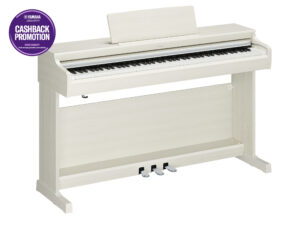
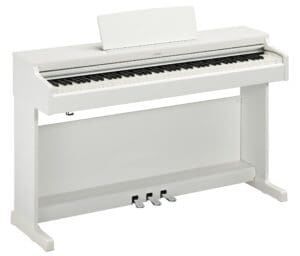
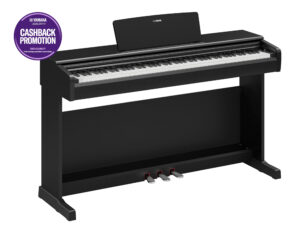
Yamaha YDP166 Arius Digital Piano in White Birch
£1,195.00 -
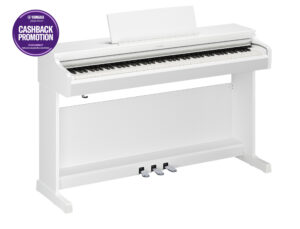
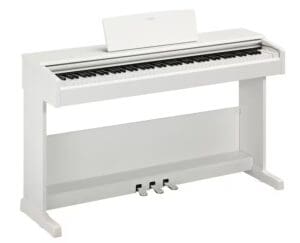
Yamaha YDP166 Arius Digital Piano in White
£1,195.00 -
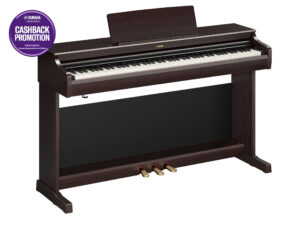
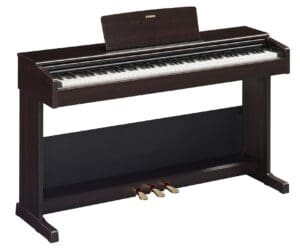
Yamaha YDP166 Arius Digital Piano in Rosewood
£1,195.00 -
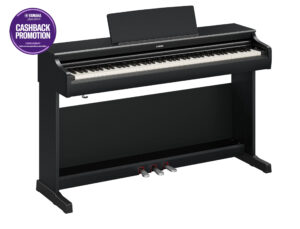
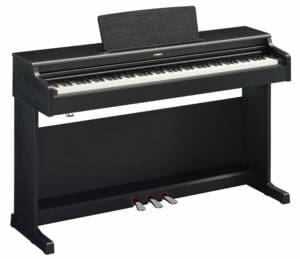
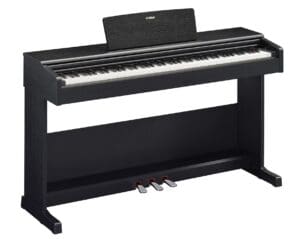
Yamaha YDP166 Arius Digital Piano in Black
£1,195.00 -

Yamaha YDP165 Arius Digital Piano in White
£1,045.00 -

Yamaha YDP165 Arius Digital Piano in Black
£1,045.00 -
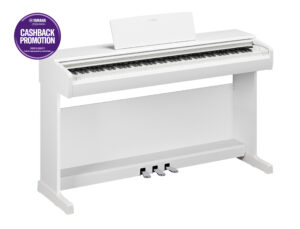
Yamaha YDP146 Arius Digital Piano in White
£845.00 -
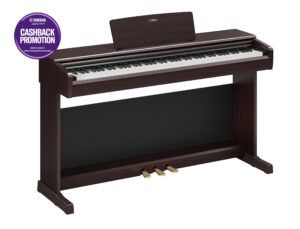
Yamaha YDP146 Arius Digital Piano in Rosewood
£845.00 -

Yamaha YDP146 Arius Digital Piano in Black
£845.00 -

Yamaha YDP105 Arius Digital Piano in White
£645.00 -

Yamaha YDP105 Arius Digital Piano in Rosewood
£645.00 -

Yamaha YDP105 Arius Digital Piano in Black
£645.00
Digital Pianos for everyone.
Digital Pianos
Digital Pianos for Sale
Browse digital pianos from Yamaha, Kawai and Roland, priced from around £500 to over £15,000, then book a showroom visit to try them before you buy. If you’ve been searching for an electric piano, these are the instruments that term usually means today.
What is a digital piano?
A digital piano plays sampled recordings of a real piano through built-in speakers or headphones, and because it has no strings, it never needs tuning. The keys are weighted and touch-sensitive, so the sound gets louder as you press harder.
People also call these instruments electric pianos, and in a shop, the two names describe the same thing, but this term originally belonged to older electromechanical models.
Is a digital piano the same as a keyboard?
A digital piano is not the same as a keyboard. It’s built to look, feel and sound like an acoustic piano, whereas a keyboard usually offers a wider range of sounds in a lighter body and rarely copies much of a piano’s feel beyond the keys. For a learner, the difference is weighted keys, because practising on keys that respond like a hammer action makes switching to an acoustic piano far smoother.
What to look for in a digital piano
A good first digital piano covers the basics below, which makes it much less likely that you’ll outgrow it.
- Look for 88 weighted keys with a hammer action, so the keyboard feels like an acoustic piano and gives you the full range as you progress.
- Choose at least a damper pedal, and three pedals as on a grand piano if you can.
- Check that the speakers sound full in the room, because a thin speaker can make a good piano sound ordinary.
- Make sure there are headphone sockets for quiet practice, ideally two so a teacher and pupil can listen together.
- Consider Bluetooth and recording, so you can connect learning apps and hear yourself play back.
Portable, cabinet or hybrid?
A portable digital piano, such as the Kawai ES series, is light enough to move and suits small rooms and gigs.
A cabinet model like Yamaha’s Arius range has a built-in stand and pedals and looks like a small upright, so it suits a permanent spot at home.
A hybrid, such as the Kawai Novus or Yamaha AvantGrand, adds an acoustic-style action to digital sound, and if you play on stage, take a look at our stage pianos.
Yamaha, Kawai or Roland?
Yamaha digital pianos run from the Arius cabinet models, which are designed for beginners and returning players and use a sampled Yamaha CFX concert grand. The Clavinova range sits above them, for anyone who wants the nearest thing to an acoustic piano.
Kawai digital pianos start with the affordable KDP series and go on to the DG baby-grand style models and the Novus hybrids, and Kawai was the first to make a digital piano with wooden keys. Roland sits alongside them, with portable models like the FP30X and cabinet models in the RP and LX ranges.
Touch varies a lot between brands, so play two or three before you choose.
How much does a digital piano cost?
A digital piano usually costs less than an acoustic one, from around £500 to over £15,000, and spending more mainly buys a more realistic touch and sound, bigger speakers and a hybrid action at the top.
A beginner rarely needs the top model, because a model at the lower end can still have weighted keys, pedals and headphone sockets.
You can spread the cost with our finance options, with 0% finance on many of our pianos, subject to terms and conditions. Boxed delivery is free within 50 miles of the showroom, and we quote for anywhere further and for installation.
Is a digital piano as good as a real piano?
A digital piano is a very good way to learn and to practise quietly, but it doesn’t replace an acoustic piano in every way, because the sound comes from speakers rather than strings and a soundboard. The touch is close to an acoustic piano’s, but it is not identical.
If you have the space and want that acoustic sound, an upright piano is the better buy, and if you also need to practise quietly, a silent piano gives you an acoustic piano with a headphone option. Digital pianos also date as the electronics improve, whereas an acoustic piano can be serviced for decades.
Where can you try a digital piano?
The Richard Lawson Pianos showroom is open by appointment from 8am to 10pm, 7 days a week, so you can try digital pianos before you buy rather than choosing online.
Want to try a few first? Book a showroom visit, or talk to the team. You can call 01923 720 974, email info@richardlawsonpianos.com or use the contact form.
Richard Lawson Buyer's Guide
Download our brand new Buyer’s Guide to help you find your dream piano
 Reviews


