
Stage Pianos for everyone.
Stage Pianos
A stage piano is built for playing away from home. It’s the instrument you’ll see under the hands of touring players, session musicians and worship bands and in theatre orchestra pits, and it’s designed around three things: a proper piano action, sounds you can trust in a live mix and a chassis that survives being carried in and out of venues week after week.
At Richard Lawson Pianos, we stock stage pianos at our Amersham showroom, and you’re welcome to come and test them out.
What is a stage piano?
A stage piano gives you the keyboard, the action and the sounds. There’s no cabinet, no legs and no built-in speakers, so you’ll need a stand and something to hear it through. In return, you get an instrument that packs down, travels, and offers a far wider range of sounds than a home piano does.
The other difference is the control panel. A home digital piano hides its settings behind menus and button combinations, because you set it up once and leave it. A stage piano puts the important controls on the front panel where you can reach them, so you can change sound, split the keyboard or adjust an effect between songs without taking your eyes off the music.
Stage piano, digital piano or keyboard?
A digital piano is furniture, and features a cabinet, legs, three pedals, and built-in speakers. It’s designed to live in one spot in your home. If the piano stays in your living room and mainly gets used for practice, this is the one you want, and you’ll find our full range on our digital pianos page.
A keyboard is usually lighter and often has fewer than 88 keys. The keys tend to be unweighted or semi-weighted, and it’s built around a variety of sounds rather than the quality of touch. Usually, this is fine for someone learning the notes, but it may be frustrating for a pianist.
A stage piano sits between the two. With the weighted action of a proper piano and the portability and sound range of a keyboard, it’s built to a standard that will withstand years of gigging. While it costs more than either, it’s worth it if you travel to play.
What to look for when choosing a professional stage piano:
The action
A full 88-key weighted hammer action feels closest to an acoustic piano and is what most pianists should be seeking. Semi-weighted actions are lighter to carry and better suited to organ playing, but they’ll feel wrong if you’re used to playing an acoustic instrument.
The number of keys
88 keys give you the full range and the heaviest instrument. 73 or 76 keys save meaningful weight and space, and plenty of players never miss the top and bottom octaves. 61 is compact but limiting for classical repertoire.
The sounds
Every stage piano will give you acoustic and electric piano voices. Where they differ is how many, how good they are and whether you can layer or split them. If you’re covering organ and synth parts as well, look at instruments built for those jobs rather than adding a second keyboard later.
The weight
A weighted 88 is a proper two-handed job, so if you’re loading in and out on your own every week, a lighter model with fewer keys may be the more sensible instrument.
The connections
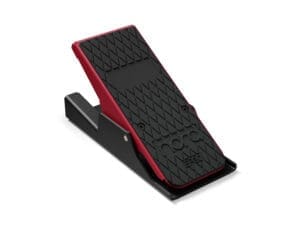
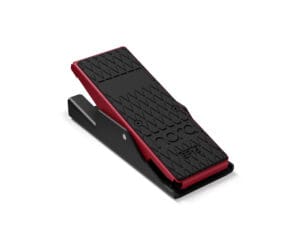
Check that the outputs suit where you’re playing, such as a headphone socket for practice at home, sockets for the pedals you use or MIDI or USB if you’re recording.
The stage pianos we stock
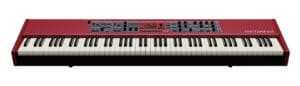
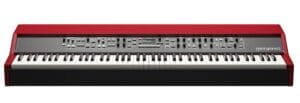
Our stage pianos come from Nord, the Swedish maker whose red keyboards you’ll recognise from just about any stage you’ve been in front of. They’re known for the quality of their piano and electric piano sounds, a free downloadable sound library that lets you choose what lives on the instrument, and building keyboards that stand up to constant travel.
You can read more about our stage piano range on our Nord pianos page.
If you’re interested in a model that you can’t see listed, get in touch, and we’ll help you.
Do stage pianos have built-in speakers?
Most don’t. There’s a headphone socket for practising at home, but to hear the instrument out loud, you’ll need monitors, a keyboard amp or a feed into the PA.
Can I use a stage piano at home?
Yes, and lots of people do. Add a stand, a sustain pedal and either headphones or a small pair of powered speakers, and it works perfectly well for practice. Just be aware it’ll look like a piece of equipment rather than a piece of furniture, so if you want something that sits quietly in the corner of the living room, a digital piano in a cabinet is probably the better fit.
Is a stage piano suitable for a beginner?
It can be. Most beginners are better served by a digital piano, which arrives ready to play and doesn’t need a stand, a pedal and speakers before you can start. A stage piano makes sense early on if you already know you’ll be playing in a band or at church, or if you’re going to be moving the instrument regularly.
Richard Lawson Buyer's Guide
Download our brand new Buyer’s Guide to help you find your dream piano
 Reviews



